
If you’ve ever asked your child what’s wrong and been met with a shrug, silence, or a frustrated “I don’t know,” you’re not alone.

Blog
“Tell me and I forget, teach me and I may remember, involve me and I learn.”
-Benjamin Franklin
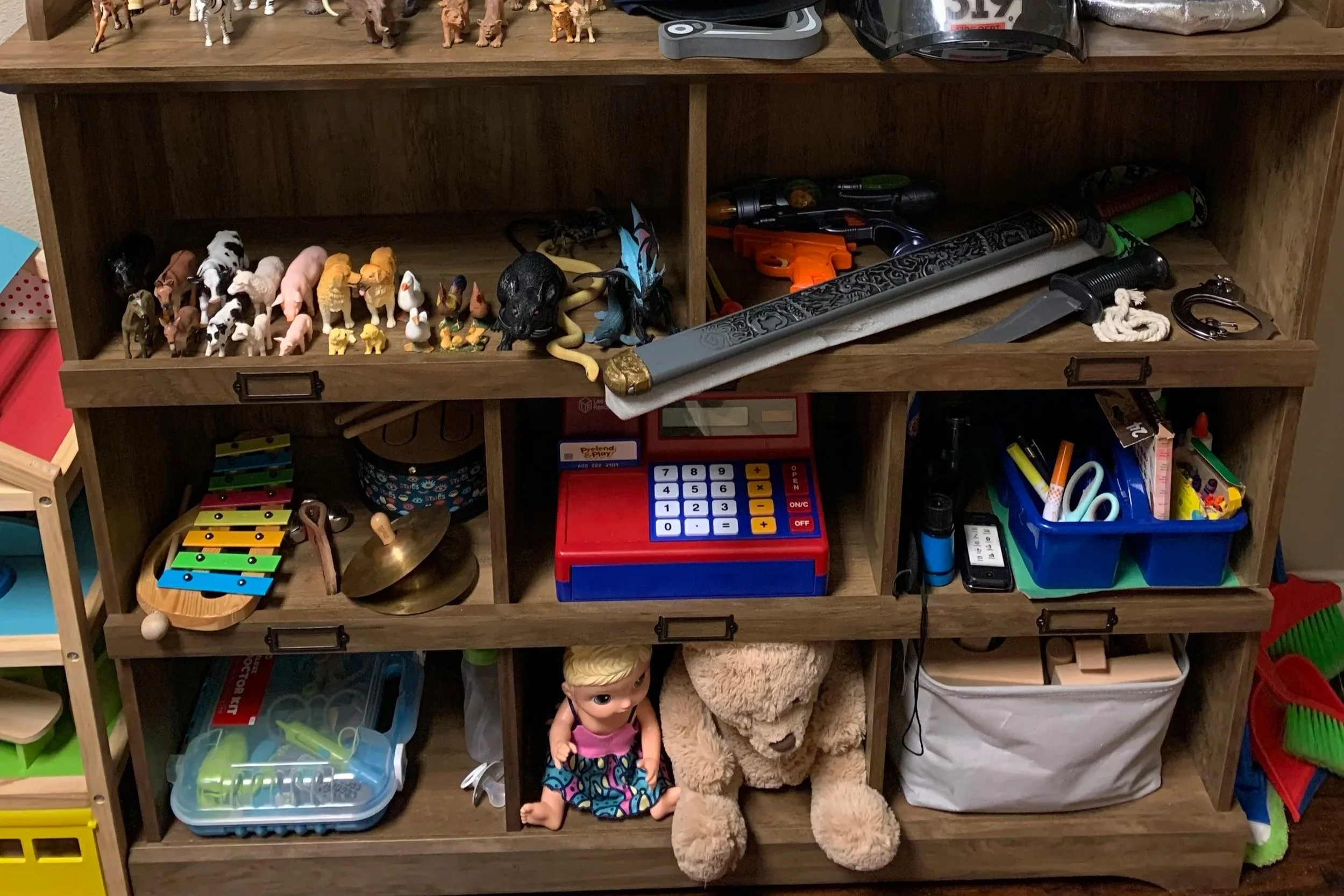
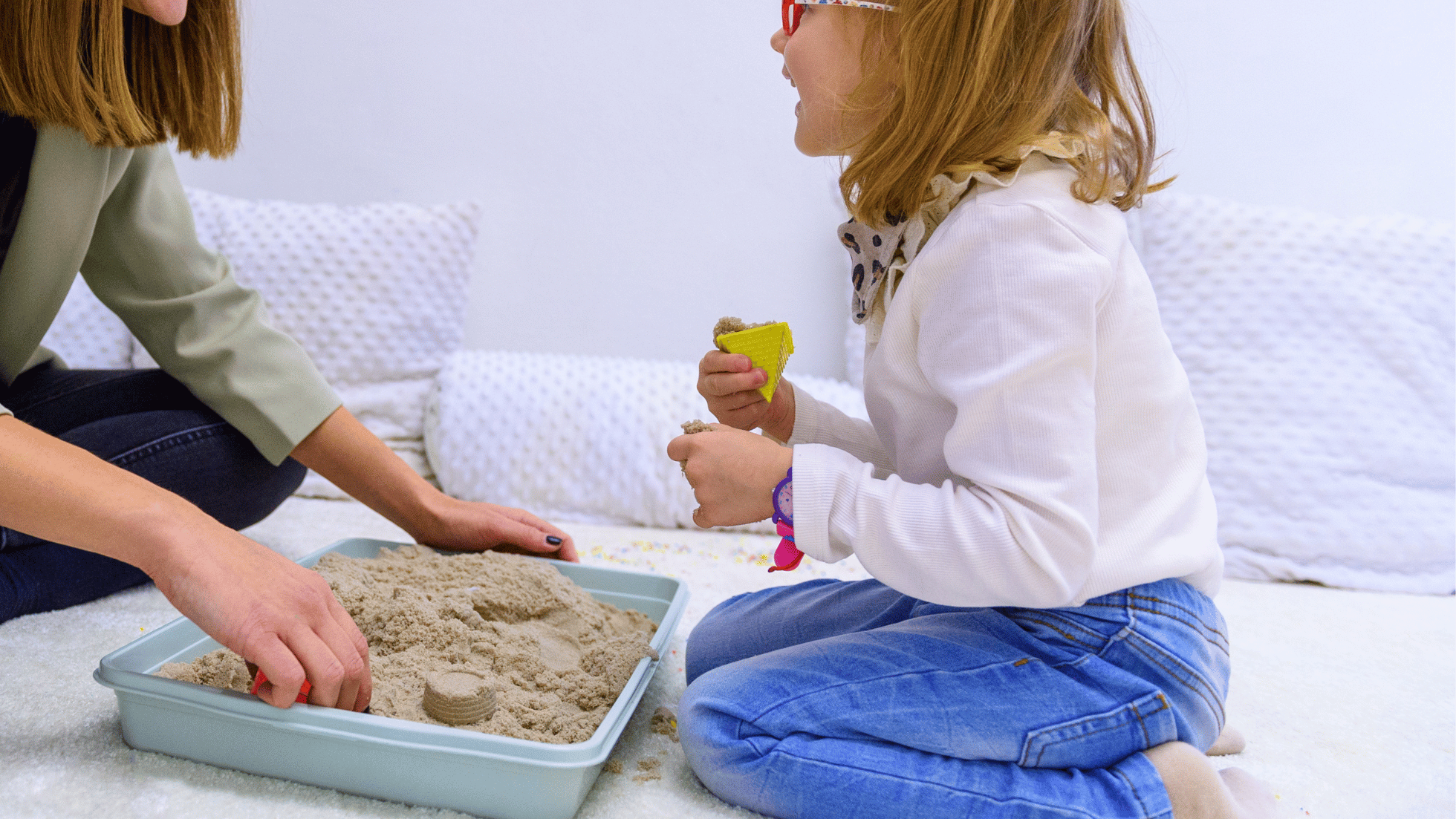
There is a different kind of quiet that exists in a play therapy waiting room. It’s often filled with a mix of emotions: a little bit of hope, a dash of exhaustion, and, if we’re being honest, a heavy dose of "parent guilt." You might be sitting there scrolling through your phone, wondering, “How did we get here?” or “Is she really getting anything out of just playing with blocks?”
Most parents don’t wake up one morning thinking, “I should put my child in therapy.”
More often, the thought creeps in quietly. If you’ve found yourself asking whether therapy might help your child, you’re not alone. Many parents wrestle with this question, unsure of where the line falls between typical development and a signal that extra support could be beneficial.